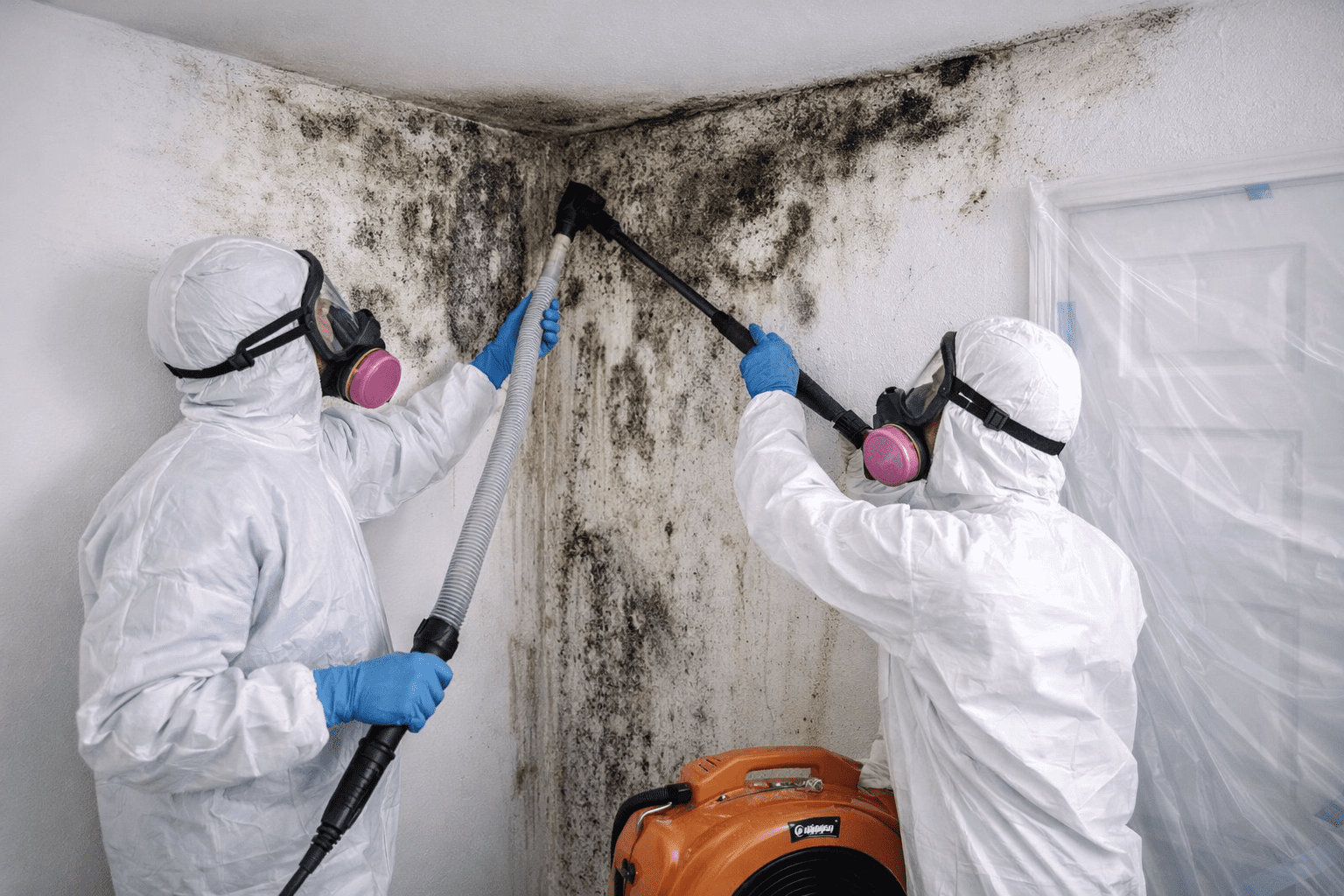
Basement Mold Restoration Service Areas in Michigan, MI
Michigan basements deal with a lot—rain and snowmelt, seasonal humidity swings, older foundation cracks, and plumbing or sump issues. If you’re noticing musty odors, staining on concrete or drywall, damp carpets, or recurring condensation, the goal is simple: find the moisture source, dry the space correctly, and restore materials safely so mold doesn’t keep coming back.
Basement Mold Restoration Support (How We Help)
Basement mold is usually a moisture-management problem first—and a cleanup problem second. A “quick spray” rarely solves it if humidity, seepage, or hidden dampness remains. Here are the most common, practical steps Michigan homeowners take to get control and keep it under control.
Moisture Source Check
We start by narrowing down what’s feeding moisture: wall seepage, floor cracks, sump discharge problems, grading/gutter overflow, plumbing drips, or HVAC/duct condensation.
Basement Humidity Plan
Mold loves steady humidity. We outline a simple plan using ventilation, dehumidification, and airflow so the basement stays consistently dry—not just “dry today.”
Safe Cleanup for Hard Surfaces
For concrete, block walls, and other non-porous surfaces, the focus is controlled cleaning plus thorough drying, so growth doesn’t reappear when seasons change.
Drywall & Insulation Decisions
Porous materials can hold growth inside. When drywall, insulation, or carpet padding is affected, removing and replacing the right sections is often safer than repeated surface cleaning.
Odor Troubleshooting
Musty smells can come from hidden damp framing, wet carpet tack strips, behind stored items, or an under-performing dehumidifier. We help pinpoint likely zones fast.
Prevention Checklist
Small improvements add up: gutter extensions, downspout routing, sealing obvious air leaks, keeping storage off floors, and setting a humidity target you can actually maintain.
Why Basement Mold Happens So Often in Michigan
Basements sit at the intersection of cool surfaces and moisture. In Michigan, spring snowmelt, rainy seasons, and humid summer air can create persistent dampness—especially in older homes or basements with limited ventilation.
Cool Walls + Humid Air
When warm, humid air hits cool basement walls, condensation forms—like a cold drink sweating on a table. That moisture feeds mold on wood, cardboard, and drywall.
Seepage After Rain/Snowmelt
Even small foundation cracks can let moisture in over time. Damp corners, dark baseboard lines, and efflorescence (white powder on masonry) are common clues.
Sump, Drainage, or Gutter Issues
If water isn’t routed away from the home, it often ends up at the foundation. Short downspouts and poor grading can quietly keep basement walls wet.
Finished Basements Hide Problems
Insulation and drywall can mask dampness until odors or staining appear. If you smell musty air, it’s worth checking behind furniture and along exterior walls.
Storage Materials Feed Growth
Cardboard boxes, paper, and fabric store moisture and provide food for mold. Plastic bins and shelving keep items off the floor and reduce risk.
Small Leaks Add Up
A tiny plumbing drip, washing-machine leak, or water heater seep can keep the same area damp for weeks— long enough for mold to spread and odors to build.
What to Do First if You Suspect Basement Mold
These are simple, homeowner-friendly steps. If growth is widespread, keeps returning, or anyone has breathing concerns, it’s smart to get professional guidance.
1) Stop Moisture at the Source
Fix leaks, improve drainage, and confirm the sump system is working properly. Cleanup without moisture control usually fails.
2) Dry the Space Completely
Run a dehumidifier, improve airflow, and dry wet materials quickly. Aim for steady dryness, not just “dry to the touch.”
3) Don’t Spread Spores
Avoid aggressive brushing or blasting fans directly at visible growth. Disturbing mold can spread it into clean areas.
4) Separate Porous vs. Non-Porous
Concrete and tile can often be cleaned, but drywall, insulation, and carpet may need removal if growth is embedded.
5) Prevent the Return
Once cleaned, the “win” is keeping humidity and seepage controlled through all seasons—especially spring and humid summer weeks.
Quick tip: If your basement smells musty mainly after rain, check corners, floor-to-wall seams, and storage areas along exterior walls—those spots often stay damp the longest.
Michigan Basement Mold Restoration Service Areas
Below are example city hubs we support across Michigan. We’ll show up to 200 locations first to keep the page fast—then you can reveal the full list when you want.
Common Questions About Basement Mold in Michigan
Straight answers focused on moisture control and long-term results.
Is a musty basement smell always mold?
Not always, but it often means moisture is present somewhere (damp concrete, wet carpet edges, or hidden condensation). Even without visible growth, odor usually means “find the damp spot.”
Why does basement mold come back?
The most common reason is unchanged moisture—humidity stays high, water keeps seeping in, or a small leak continues. Cleanup works best when the moisture cause is fixed first.
Do I need to remove drywall?
If drywall or insulation is damp or moldy inside, removal of the affected sections can be safer than trying to clean only the surface. The right choice depends on extent and whether it’s staying wet.
What humidity level should a basement be?
Many homeowners aim for a consistently “dry-feeling” range rather than chasing numbers. The key is avoiding frequent condensation and keeping surfaces dry through humid weeks.
Can I finish my basement again after mold?
Yes—after the moisture issue is solved and materials are restored properly. Finishing too early can trap humidity behind walls and recreate the same problem.
When should I get professional help?
If growth is widespread, keeps returning, follows water damage, or you suspect mold behind walls/under flooring, a professional plan can prevent wasted money and repeat repairs.
Ready to Fix Basement Mold in Michigan?
Get a clear plan: identify the moisture source, dry the basement the right way, and restore affected materials so mold doesn’t return with the next season.